
When she first walked into my office, she wasn’t coming because of a recent injury. She was coming because her body had never fully recovered from giving birth.
For years, she had lived with symptoms she assumed were simply part of motherhood.
•Pelvic pressure.
•Sacral pain.
•A feeling that something wasn’t quite right.
•She suspected she might have a bladder prolapse because prolonged walking created a heaviness she couldn’t ignore.
•Intimacy felt different.
•Her body felt different.
Like many women, she had learned to adapt. But her story began long before those symptoms showed up. In January of 2013, she welcomed her first child. After an induction that failed to progress, she underwent a cesarean delivery. Her son weighed 7 pounds, 2 ounces.
The experience was frightening to say the least. She described a traumatic epidural and difficulty during labor. After birth, her baby’s Apgar score was zero. He required resuscitation not once, but twice before being transferred to the NICU for two days. As terrifying as those moments were, she physically recovered surprisingly well (although we know the body keeps the score).
Within weeks she was hiking, exercising, and even jogging again. It seemed as though her body had bounced back. During that first pregnancy, however, she developed an umbilical hernia and abdominal separation, known as diastasis recti. Exercise helped improve both, but pregnancy had already begun changing the pressure system of her abdomen and pelvis.
- Diastasis
- Caring for an infant AND a toddler
- Leaking pee
- Sometimes still bleeding
- Working on breastfeeding
Five years later came her second birth. In October of 2018, she delivered a 9½-pound baby at 41 weeks and one day gestation.
Labor was long and intense—15 to 16 hours of hard labor.
During the process, she experienced sharp pain around her previous cesarean scar. Even with an epidural, she could still feel contractions and actively participate in pushing.
Her baby was born acidotic and spent two days in the NICU (more trauma). Once again, the focus became the baby’s recovery. And once again, her own recovery took a back seat. The delivery resulted in significant tearing and extensive stitching. Looking back, she believes this was one of the major turning points in her pelvic health journey.
In September of 2020, she welcomed her third child at a birth center.
This birth was dramatically different. Contractions began around 1:00 in the morning. By 7:00 AM she arrived at the birth center and was already 6cm dilated. She got into the birthing tub and, just a few hours later at 8:40 AM, her son was born. Compared to her previous delivery, the labor felt almost effortless. She sustained a second-degree tear, but it was far less severe than what she had experienced before.
For a brief moment, it seemed as though things might finally be getting easier. But the body doesn’t erase what it has already endured. Each pregnancy. Each delivery. Each scar. Each tear. Each compensation pattern. They all leave a story behind.
- Back pain
- Pelvic pain
- Breast pain
- Neck pain
- Headaches

Her fourth birth would ultimately prove to be the most challenging recovery of all.
Just twelve days before delivery, she was rear-ended in a car accident. Thankfully, she and the baby were okay, aside from some soreness. Still, it was one more stressor placed on a body that had already been through so much.
She planned another home birth. Her midwives were present, along with a student midwife. This labor was long. The baby was positioned sunny-side up, making delivery significantly more difficult. Pushing felt exhausting and unending as he emerged with the back of his head presenting. She sustained another tear. This time the tearing extended front to back and required extensive repair, including rectal stitches. The recovery that followed was unlike anything she had experienced before.
Physically, emotionally, mentally—everything felt overwhelming.
She had very little help after delivery, receiving support for barely the first 24 to 48 hours before being left to navigate newborn life largely on her own.
She bled for nearly eight weeks postpartum.
Her sacrum, which had never fully felt right since previous births, became so painful she couldn’t comfortably lie on her back.
She struggled with postpartum rage.
She struggled with postpartum depression.
At the same time, she was caring for a newborn while worrying about one of her older children who was still having significant digestive challenges. Her body simply felt overwhelmed. Four weeks postpartum, St. John’s Wort and Motherwort helped her begin feeling more like herself again.
But some symptoms remained. Her sacrum continued to hurt. Pelvic pressure continued with walking. She felt disconnected from her core. And when she attempted intimacy, she discovered something that frightened her. Sex was painful.
The perineum felt as though it was tearing all over again. Worse than the pain was what was missing. Pleasure. After four births, extensive tearing, significant scar tissue, repeated pelvic floor trauma, and years of compensation, she felt as though sensation had simply disappeared. She described having almost no vaginal sensation at all. This is where many women stop asking for help.
They are told the tear has healed.
The stitches are gone.
Everything looks normal.
Yet deep down, they know something isn’t right.
When she began pelvic floor therapy, we addressed the issues we could identify:
•scar tissue restrictions
•pelvic floor dysfunction and pain
•abdominal wall weakness
•sacral dysfunction
•inability to exercise without worsening symptoms
•lingering effects of birth trauma on the body’s connective tissue system.
Over time, her pain improved dramatically. The scar tissue became more mobile. Movement became easier. Many of her symptoms resolved. But one challenge remained stubbornly unchanged. Sensation. Despite all the progress she had made, pleasurable sensation had never returned.
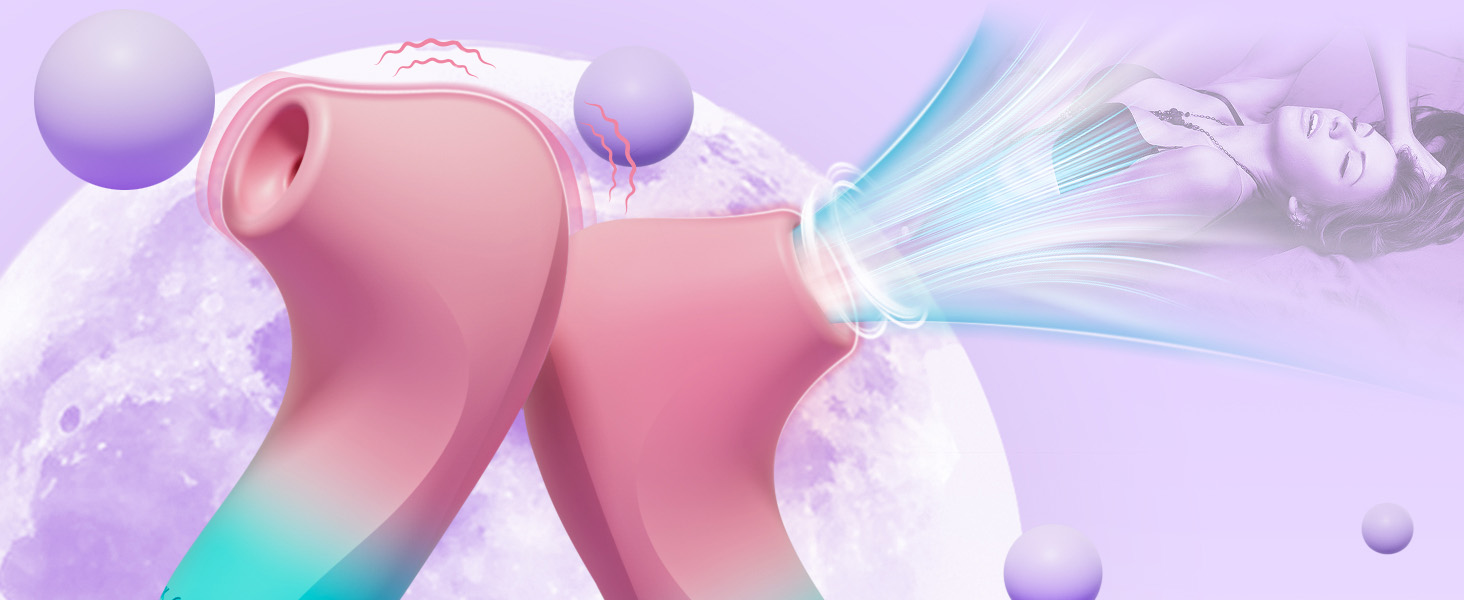
At that point, we introduced Climax Revolution (click above for more info), our radial shockwave therapy treatment designed to improve blood flow, tissue health, nerve responsiveness, and sexual function. What happened next was something she had begun to doubt was possible. Sensation started returning.
The numbness that had become her normal began to fade.
The connection she thought had been permanently lost began to reappear.
For the first time in years, she experienced hope that her body could feel like her own again. Her story is not simply about four births. It’s about the invisible effects that childbirth can have on a woman’s body long after the baby is born. It’s about understanding that healing isn’t measured only by whether a tear closes or a scar fades. It’s about recognizing that women
•deserve more than surviving childbirth
•deserve to move without pain.
•deserve to feel connected to their bodies
•deserve intimacy without fear
•deserve to know that if something still feels wrong years later, they are not broken, and they are not out of options.
Sometimes the body has been asking for help all along. It simply needs someone willing to listen. And I’m so glad I was listening when she called and reported finally having an orgasm😍
This is one client’s true story, but there are dozens of others woven into the many themes of this story, from the trauma and struggles to the healing and victory! What’s your story?
So honored to be part of so many healing journeys!
Much love,
Amy and the MOT team
0 comments