
| Exercising & Moving Safely During Pregnancy |
| “You’re pregnant…Are you sure you’re supposed to be doing that?” “Just keep doing whatever exercises you did before you were pregnant.” “You need to be resting and taking it easy” Hey MOT, I’m Kaylen, and as a pregnant mother herself, I’d love to share with you some tips for daily life and exercise that I’ve had to navigate as a new mom of my very first baby. I’m sure you all have heard some of the statements. Whether you follow OBGYNs, Naturopaths, Holistic Living Mothers, or just hear these statements from family and friends, we’ve all had to grapple with the lingering question of “How do I keep living my life and working while still keeping me and my baby safe?” You’re going to hate my answer because you’ll hear this a lot too, but it all depends. Let’s break that answer down so you are able to turn that vague answer into something that you’re able to understand, take control of, and use to make an educated decision for your own life and body. |
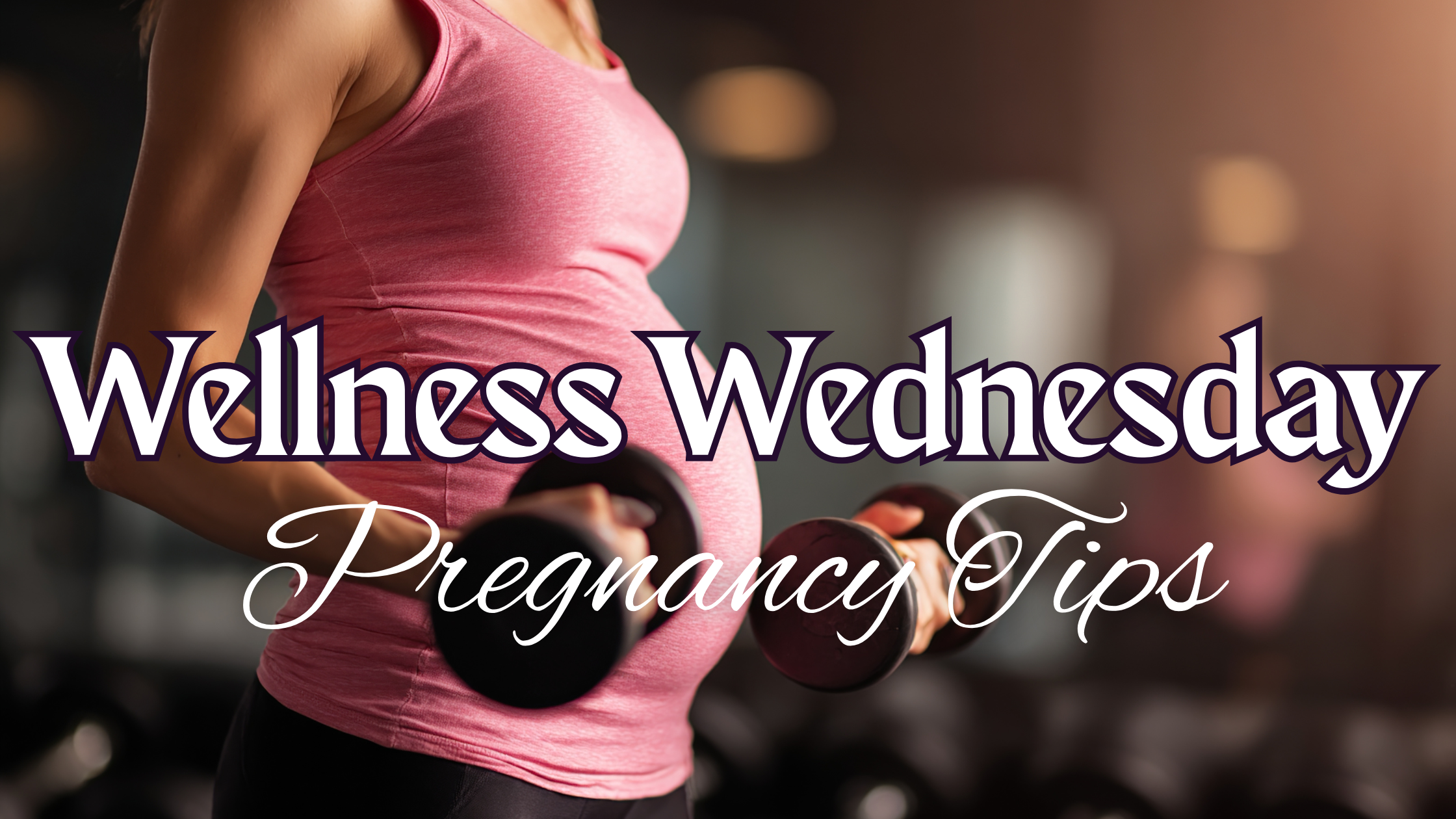
| 1. What activity level do/did you already have now and before pregnancy? And more importantly, what is the most functionally important to you now? I don’t love the statement “keep doing what you did before pregnancy”, although I understand the sentiment behind it. Stepping back, what does that infer to anyone who may not have been super active beforehand? What if you were working a lot with kids and were never able to make the time to go to the gym, take a walk, or workout at home? I certainly don’t believe that you cannot start anything new and current research shows that the benefits of exercise far outweigh the risks for both mom and baby. I was fairly inactive due to bad habits, lack of accountability, and stress about lack of time in my current life not too long before I became pregnant. Several weeks prior to pregnancy, I started working out fairly consistently at the gym with a friend. Although I had not been active recently, high school sports and intermittent active periods of my life gave me a general sense of body awareness to be at a moderate level. While I’d love to say that this new activity continued well into my first trimester, it did not. My friend moved, and I got out of the habit. I did combine my pelvic health knowledge and had some basic pregnancy workouts I would do at home, but those also fell off for a time. It wasn’t until my second trimester, nearly 4 months later, that I began going to the gym once again. It still felt new. I was used to contact sports and running, not weightlifting, and circuit training can be scary. Without the right tools and knowledge, I could certainly hurt myself. With the right tools, however, I am confident on how to listen to my body, ensure good posture and breathwork (which will be touched more on with the next question), and am able to modify and adjust to the level I need. •Did I need to go slower? Yes. •Did I need to have less weight to decrease poor posture and pelvic floor pressure? Certainly. •Do I often feel like I could or should increase the intensity? Absolutely. •But as a mom and therapist, I know that increased control (which I have less of due to baby growing and changing my center of gravity) is necessary for functional strength. Will every mom want to lift weights? No. That’s simply the exercise I chose. It’s important to work on functional strength involving resistance, cardio, and proper stretching no matter what stage of life we are in, but especially as we grow a new life. Determine what physical activities give you joy, meaning, and purpose, and focus your energy there. |
| 2. What is your current body awareness, breathwork, and pelvic floor coordination like? •Do you understand how to breath with full 3-dimensional rib breath? •When to inhale vs exhale for optimal pelvic floor protection? •How to activate your transverse abdominus? If your answer is “no” or “I’m not sure”, then it is important to be extra cautious when considering heavier lifting, higher impact activities, or even trying online YouTube workout videos, even if designed for pregnant women. Hopefully with your familiarity with MOT, you have an idea of where you function in these areas, but if not, we would love to consult with you. As women, we often treat exercise and even life with a “no pain, no gain” mentality, and we love to claim our high pain tolerance as a badge of honor. (Speaking from experience 😌). Although these mindsets have served us well with work, raising families, and simply making our way in the world, it is important to find a balance between thanking our body’s default protection, while also noticing when we are in pain, overworking ourselves, or building harmful long-term patterns of tightness and physical/mental/spiritual stress. |
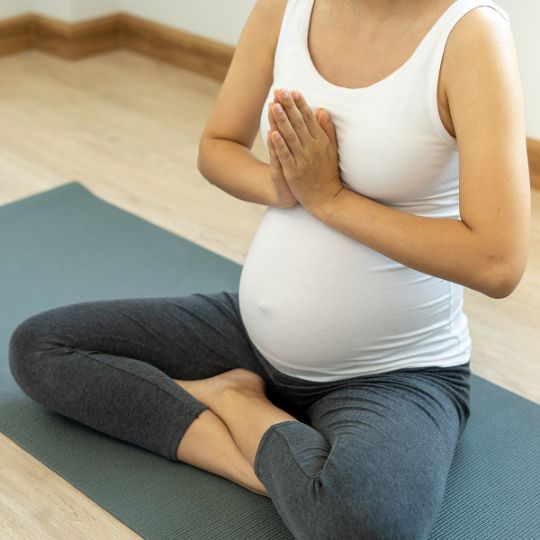
| 3. How do I notice signs that an exercise or activity may be too much? As a guideline, I often ask these questions to myself whenever I am exercising or doing some awkward at home task: •Do your ribs, midsection, hips, or back thrust backward or forward to reach up or maintain a position?•Does an activity cause you a sharp or dull pain in your groin, low back, or stomach region? •Does an activity cause you to leak urine? •Can you take a full breath in and exhale on exertion with this activity? •Does this movement/activity cause constant, rapid, or heavy pressure around your groin or belly area (ie. crunches, russian twists, horseback riding, outdoor biking, prone exercises, rock climbing/ziplining) •Does your belly bulge out during this movement/activity? •Are you on an unstable surface that you could easily fall from? (ie. using step ladder to lift heavy/awkward items) |
| Other Considerations & Contraindications Please note that there are special instances that require extra caution. While I do believe that the above questions are still very beneficial for daily tasks, confirming with your doctor or OBGYN on strength training is best practice, especially in cases mentioned below: – ruptured membranes – persistent vaginal bleeding – placenta previa after 28 weeks – pre-eclampsia – incompetent cervix – intrauterine growth restriction – high-order multiple pregnancy (triplets) – uncontrolled type I diabetes or hypertension – serious cardiovascular, respiratory, or systemic disorder Less severe but still cautionary: – recurrent pregnancy loss – gestational hypertension – history of spontaneous preterm birth – mild or moderate cardiovascular or respiratory disease – symptomatic anemia – malnutrition – eating disorder – twin pregnancy after 28 weeks *if you have any concerns, just check in with a provider – much better to have peace of mind! |
| We want to make sure we help you stay feeling good throughout your pregnancy. Feel free to grab our FREE resource Avoiding Pain During Pregnancy by clicking HERE! Let’s practice praising the mom who gives herself the much-needed time to breathe and rest just as much as we praise the mom who is making a gym personal record. As always we’re here for any questions specific to you! |
| Blessings and Encouragement on your Pregnancy Journey! Kaylen and the Moment of Truth Team |
0 comments